Spain Looked Up: The Total Solar Eclipse of August 12, 2026
The first total solar eclipse over the Iberian Peninsula in more than a century turned an ordinary August evening into something the country will talk about for years.
Shortly after half past seven on the evening of Wednesday, August 12, 2026, Spain stopped what it was doing and looked west.
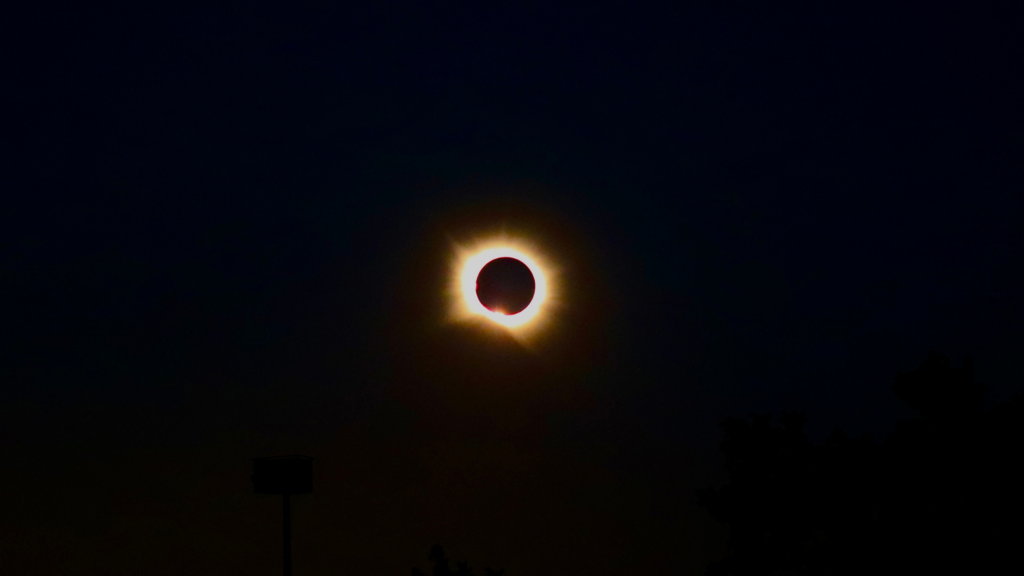
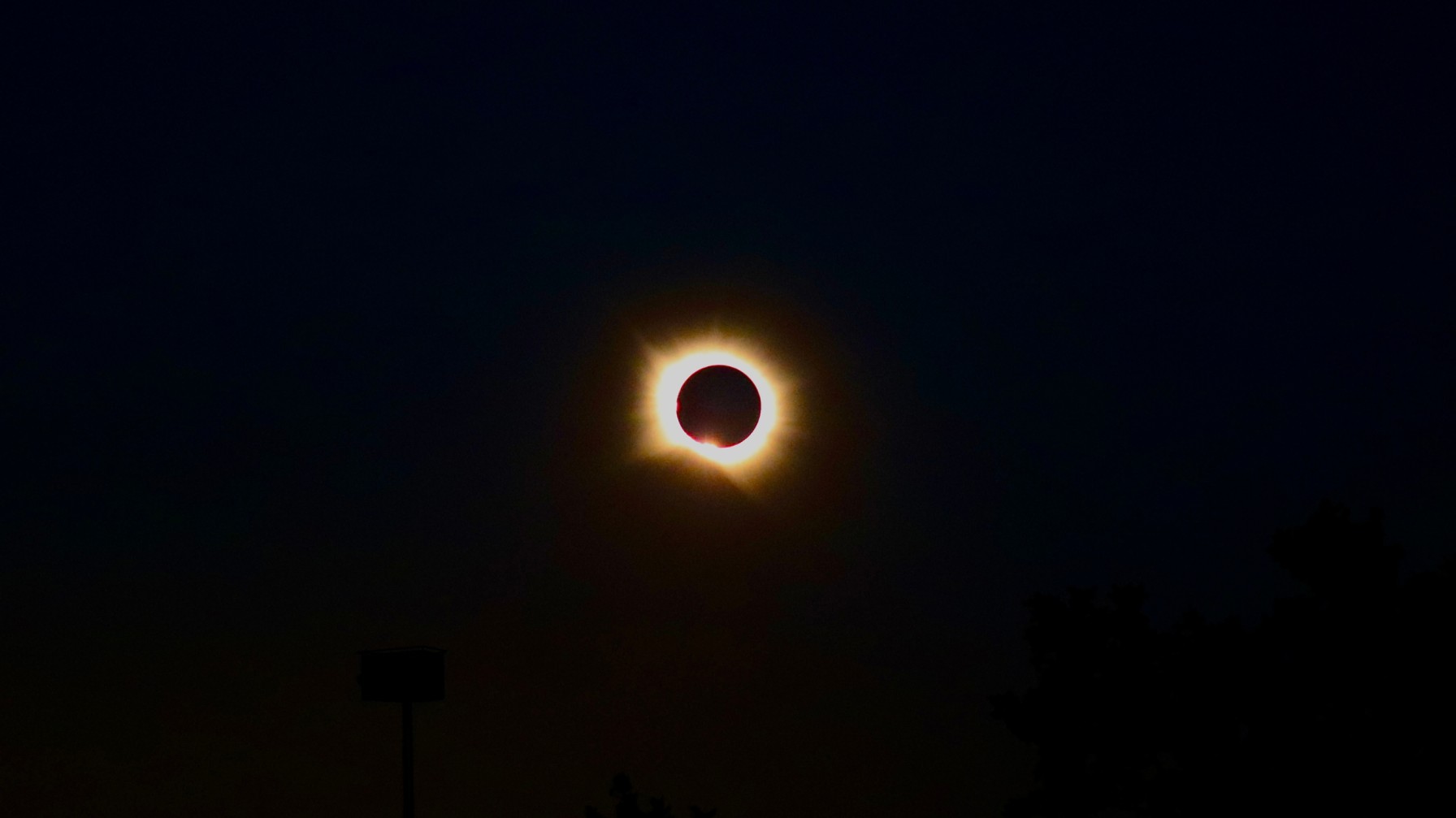
For a few minutes, the Moon slid fully across the face of the setting Sun, and a shadow raced from Galicia to the Balearic Islands. It was the first total solar eclipse visible from the Iberian Peninsula since 1905 – and the beginning of what astronomers are calling the “Iberian trio,” three solar eclipses over three consecutive years.
Where Spain Saw It, and How Much
The band of totality entered through Galicia and crossed the country from west to east, ending at sunset over the Balearics. Everywhere else in Spain saw a partial eclipse – many places came heartbreakingly close to 100%.
Total (100% coverage):
- A Coruña, Lugo – the first cities to see it
- Oviedo, Santander, Bilbao, Vitoria-Gasteiz
- León, Palencia, Burgos, Valladolid, Segovia, Soria
- Logroño, Zaragoza, Teruel
- Guadalajara, Cuenca
- Lleida, Tarragona
- Castellón, València
- Palma de Mallorca – where the eclipse ended, almost touching the horizon
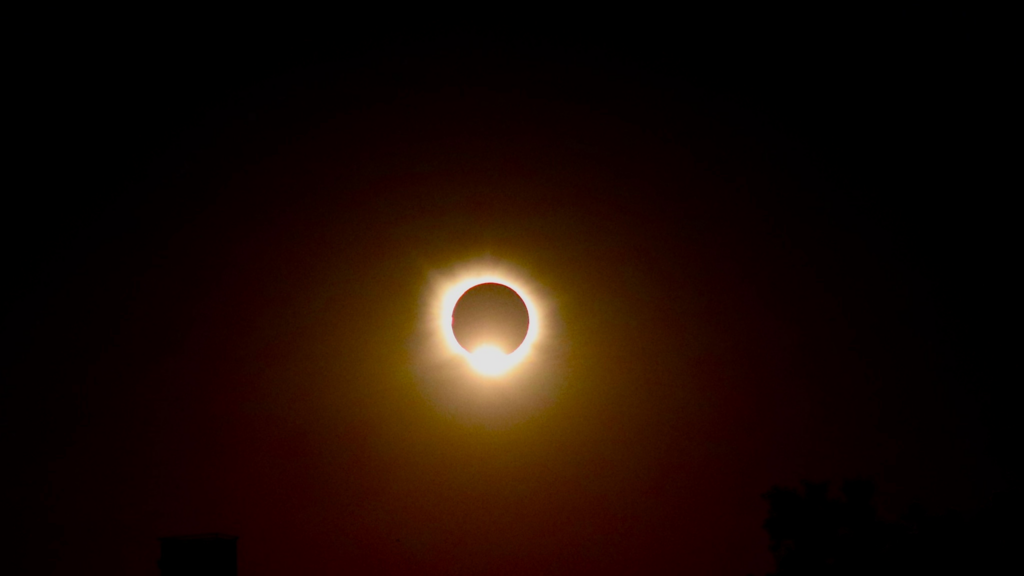
Partial (very deep, but not total):
- Madrid city – about 99%
- Barcelona – about 99%
- Huesca, Zamora, Salamanca – right on the edge, around 99%
- Seville – 94.6%
- Melilla – 93.0%
- Ceuta – 92.6%
- Las Palmas de Gran Canaria – around 70% (an hour earlier in local Canary time)
A 99% eclipse is spectacular. But as anyone inside the band will tell you, it is not the same thing at all. Only in totality does the corona appear.
The Clock That Evening
In the Madrid region, the timings ran like this:
| Moment | Time | Where |
|---|---|---|
| Eclipse begins | 19:35 | Starts at Somosierra |
| Maximum eclipse | 20:32 | Starts at Somosierra |
| Eclipse ends | 21:19 | Ends at Rozas de Puerto Real |
The single piece of advice repeated all week was simple and it mattered: find a spot with a clear horizon to the west. With the Sun setting low, a hill, a building or a line of trees was the difference between seeing everything and seeing nothing.
The Glasses: Only One Standard Counts
Spain’s Ministry of Consumer Affairs and the consumer organisation OCU said the same thing all summer, and it bears repeating for 2027:
- The only valid certification is EN ISO 12312-2:2015 – adopted in Spain as UNE-EN ISO 12312-2.
- The glasses must carry a genuine CE marking, plus the manufacturer’s name, a contact address inside the EU, a batch number, and instructions.
- If the packaging only says ISO 12312-1, they are ordinary sunglasses. They are not safe.
- Beware of counterfeits. Days before the eclipse, Consumo ordered the withdrawal of several models sold in Spain for having filters so dark that users were tempted to peek over the top.
None of these work: sunglasses, stacked sunglasses, X-ray film, smoked glass, CDs or DVDs, 3D cinema glasses, or exposed photographic negatives.
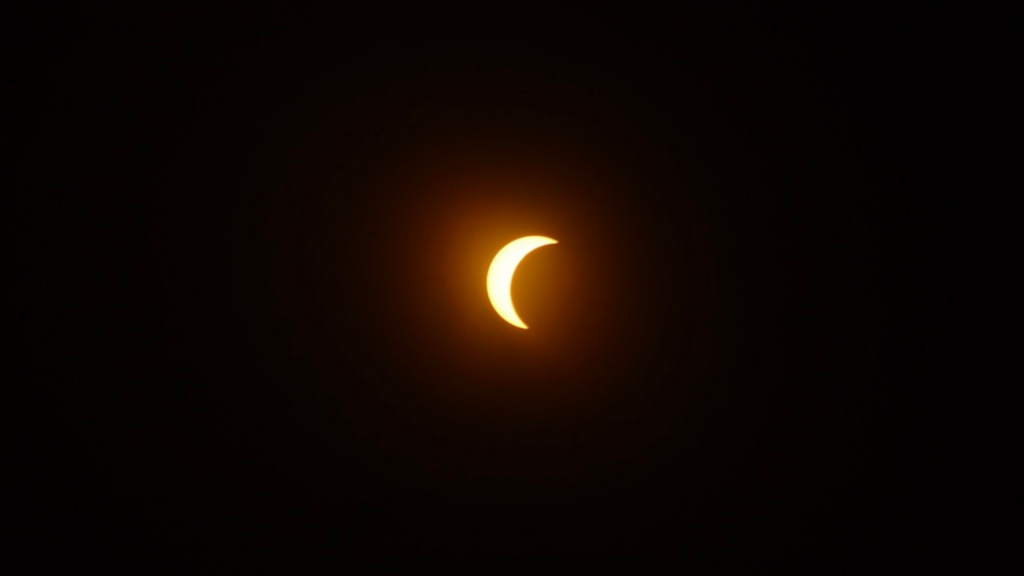
Cameras, phones, binoculars and telescopes need their own protection. Eclipse glasses held in front of a lens are not enough – the optics concentrate sunlight like a magnifying glass and can destroy the filter, the sensor, and your eye. You need a certified solar filter sheet or screw-on solar filter fitted over the front of the lens, never behind the eyepiece.
Precautions Worth Remembering
- Never look directly at the Sun during any partial phase, however dim it looks.
- Put the glasses on before looking up, and turn away before taking them off.
- Only inside the band of totality, and only during those brief seconds when the Sun is 100% covered, is naked-eye viewing safe. The moment a bright point reappears, glasses go back on.
- Inspect filters for scratches, holes or creases before use. Damaged means discarded.
- Supervise children closely – one pair per person, no sharing.
- Retinal burns are painless. Symptoms – blurring, a dark spot in the centre of vision, wavy lines, headaches – can appear hours later, and the damage is often permanent.
- If you’d rather not risk it: pinhole projection onto card, or the dappled crescents under a leafy tree, are free, safe and lovely.
The Mood
It felt like a national holiday nobody had scheduled. People travelled from as many as 13 autonomous communities toward the band of totality. Campsites and rural hotels along the strip had been full for months. Families climbed to miradores, astronomy clubs set up telescopes on football pitches; hotel roof terraces sold out. In Zaragoza, thousands filled the streets around the Basílica del Pilar and the Ebro, and when the Sun vanished around 20:29 there was applause and hugging in the dark. In Santander, a crowd watched it drop over the bay.
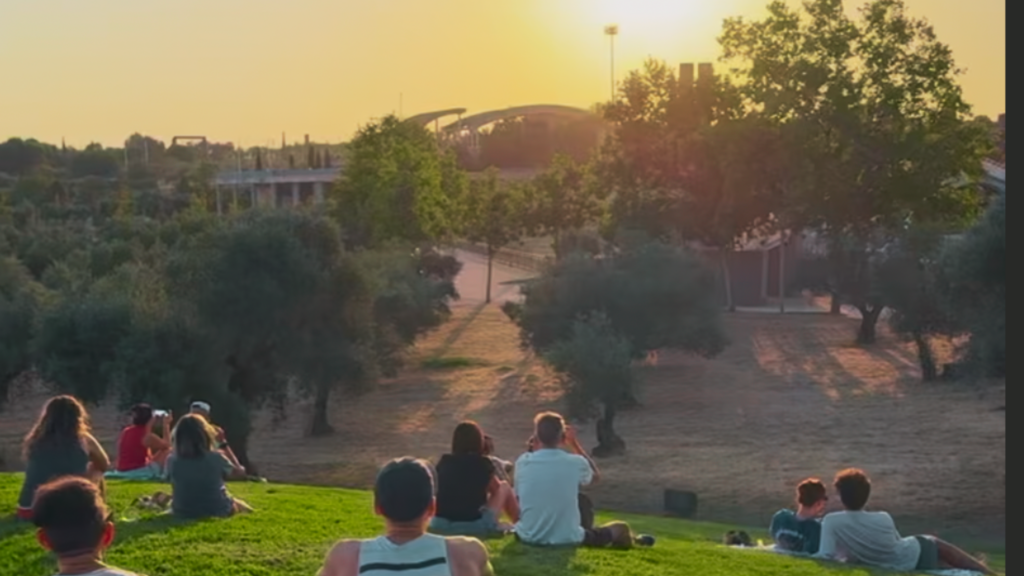
Not everyone was lucky. Cloud and sea mist over Galicia, Asturias and parts of the north spoiled the view for many who had driven hours to get there – the oldest frustration in eclipse-chasing. And there was a bonus for those who stayed put: the Perseid meteor shower peaked the same night.
Spain Is Not Finished Yet
Two more solar eclipses cross Spain in the next 18 months. After that, there is no total eclipse here until 2053.
1. Total solar eclipse – August 2, 2027
A morning eclipse, around 10:45 – 10:50, with the Sun high in the sky. Much easier viewing than 2026, and much longer.
- Ceuta – 100%, totality of 4 min 48 s (the longest in Spain)
- Melilla – 100%, about 4 min 34 s
- Cádiz – 100%, about 2 min 54 s
- Málaga – 100%, about 1 min 48 s
- Southernmost Granada and Almería (Adra, El Ejido, Roquetas de Mar, Berja, Níjar) – 100%
- Madrid – around 70% partial
- The rest of Spain – deep partial
2. Annular solar eclipse – January 26, 2028
The “ring of fire.” The Moon is too far from Earth to cover the Sun completely, leaving a bright ring. The band crosses the peninsula from southwest to northeast just before sunset.
- Seville, Málaga, Murcia, València – full annular phase visible
- Much of Andalusia, southern Extremadura, Castilla-La Mancha, parts of Madrid, Aragón and Catalonia – inside the ring band
- Palma de Mallorca and Barcelona – only the start of the annular phase; the Sun sets before it finishes
- Rest of Spain – partial
A word of warning for 2028: an annular eclipse is never safe to view without filters. There is no moment of totality. The glasses stay on from beginning to end.
Official Sources
For accurate local times, coverage percentages and safety guidance, go to the source:
- Instituto Geográfico Nacional (IGN)
- Federación de Asociaciones Astronómicas de España
- Sociedad Española de Astronomía
- Ministerio de Derechos Sociales, Consumo y Agenda 2030
- AEMET
- Your regional government portal – several, including the Comunidad de Madrid, run dedicated eclipse pages.
Keep your certified glasses somewhere safe. Check them for scratches. In under a year, southern Spain gets its turn – and that one lasts nearly five minutes.
Found this helpful? Share it with someone planning to move to Spain. Subscribe to our Life in Spain for Indians YouTube channel for real, honest videos about life in Spain – and follow us on Instagram for daily updates: Spain News for Indians.